

“Assessment” is often treated as a tick‑box exercise: a survey here, an engagement tool there, perhaps a performance review once a year. But essential assessment is something very different.
For bold, human‑centered leaders, assessment is not just about data – it’s about insight, impact, and responsibility. Done well, the right assessments help you:
- Build high‑performing, psychologically safe teams
- Identify strengths and gaps in leadership capability
- Support mental health and wellbeing in meaningful ways
- Make better people decisions backed by evidence, not guesswork
At LeadershipHQ, we’ve spent over 18 years delivering leadership programs, coaching, assessments, and workshops that have transformed more than 100,000 leaders. We’ve seen first‑hand how essential assessment can shift cultures, unlock potential, and create lasting ROI for organizations.
This guide will help you re‑think assessment through a leadership lens – so you can use it not just to measure, but to move the needle on performance, wellbeing, and growth.
What Is “Essential Assessment” in a Leadership Context?
In education, “essential assessment” often refers to core tools that support learning and track student progress. In organizations, the concept is similar but broader.
Essential assessment is the deliberate use of targeted, evidence‑based tools to answer the most important leadership and culture questions in your business, such as:
- Do our leaders have the skills and mindsets we need for the future?
- Are our teams engaged, safe, and set up to perform?
- Where are we at risk of burnout, disengagement, or turnover?
- What’s really driving our culture – and what needs to change?
Essential assessment is not about running every possible test. It’s about selecting the few, high‑value assessments that give you clear insight and a clear path to action.
These might include:
- Leadership capability and 360‑degree assessments
- Culture and engagement diagnostics
- Personality, strengths, and behavioral tools
- Role‑specific or potential assessments for emerging leaders
- Carefully chosen wellbeing measures, which may include an assessment test for depression or similar tools, used ethically and with professional support
Why Assessment Matters More Than Ever for Leaders
The world of work has changed – and so have the stakes for leaders.
Hybrid work, rapid change, economic uncertainty, and rising expectations around wellbeing mean that intuition alone isn’t enough. Leaders need accurate insight into how their people are leading, feeling, and performing.
Strategic use of assessment helps you:
- Identify strengths to build on
- Who are your culture carriers?
- Where are your pockets of courageous leadership?
- Spot risks early
- Where is burnout brewing?
- Where are there gaps in capability needed for your strategy?
- Target investment where it counts
- Rather than generic training, you can pair assessment findings with customized leadership programs, coaching, and team workshops.
- Demonstrate ROI
- When you measure before and after an intervention, your assessment data becomes powerful evidence of impact – on performance, engagement, and retention.
For modern organizations, essential assessment isn’t a “nice to have”. It’s a key part of responsible, data‑informed leadership.
Types of Essential Assessments for Leaders and Teams
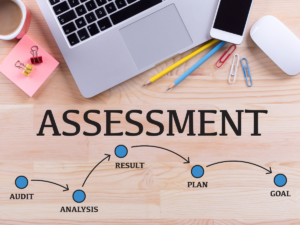
While there are many assessment tools in the market, some are particularly powerful when you’re serious about culture and leadership. Here are core categories to consider.
1. Leadership and 360‑Degree Assessments
These assessments gather feedback on a leader’s behavior, impact, and capability – from themselves, their peers, direct reports, and stakeholders. They can reveal:
- Strengths to leverage (e.g. empathy, strategic thinking, communication)
- Blind spots (e.g. inconsistency, lack of feedback, poor delegation)
- Development priorities that should shape coaching and programs
Used well, leadership assessments don’t label. They open conversations about how leaders can show up with more courage, authenticity, and impact.
2. Culture and Engagement Diagnostics
Culture doesn’t change from posters or values statements. It changes when leaders understand what people experience day to day.
Culture and engagement assessments help you measure:
- Psychological safety and trust
- Alignment with values and purpose
- Levels of engagement, energy, and belonging
- Perceptions of leadership, inclusion, and growth
This is an essential assessment for any organization that wants to move from “good intentions” to tangible, measurable culture shifts.
3. Strengths, Personality, and Behavioral Assessments
These tools give individuals and teams language around how they naturally prefer to think, work, and interact.
They help leaders and teams to:
- Understand different styles and avoid unnecessary conflict
- Design roles and responsibilities around strengths
- Build diverse teams that can innovate and adapt
When integrated into leadership programs and coaching, these assessments can transform how teams collaborate and communicate.
4. Wellbeing and Mental Health Assessments
In a climate of high stress and change, more organizations are considering wellbeing assessments, including assessment tests for depression, anxiety, or burnout.
This area requires particular care. When exploring any mental health–related assessment:
- Use validated instruments recommended by qualified health professionals
- Ensure confidentiality, informed consent, and clear communication
- Provide robust pathways for support, such as EAP, psychologists, or GPs
- Train leaders to respond with empathy and boundaries – not as amateur therapists
The goal is not to diagnose (that belongs with clinicians), but to understand overall risk and support wellbeing with compassion and responsibility.
From Data to Action: Making Essential Assessment Count
Assessment on its own doesn’t change anything. What matters is what you do with the insight.
To turn assessment into impact, consider these steps:
- Clarify the purpose
- Before running any assessment, ask: What decisions will this help us make? What actions might we take as a result?
- Choose fewer, better tools
- Focus on essential assessment – the tools that directly relate to your strategy, culture, and leadership priorities.
- Partner insight with development
- Combine assessments with leadership coaching, bespoke programs, and team workshops so that people can translate insight into behavior change.
- Communicate with transparency
- Be clear about why you’re using each assessment, how data will be used, and how people will be supported. Trust is non‑negotiable.
- Measure before and after
- Re‑assess at appropriate intervals to track progress and demonstrate ROI. This reinforces that assessment isn’t a one‑off test – it’s part of an ongoing leadership journey.
At LeadershipHQ, we often start with diagnostics, then design tailored leadership programs, coaching, and team experiences that speak directly to what the assessments uncovered. That’s where the real transformation happens.
FAQs About Essential Assessment
1. What does “essential assessment” mean for organizations?
In organizations, essential assessment refers to the most important, high‑impact assessments you use to understand leadership, culture, performance, and wellbeing. Instead of running dozens of disconnected surveys and tools, you choose a small number of meaningful assessments that give you clear, actionable insight.
2. How often should we run assessments in our business?
It depends on your goals and context, but as a guide:
- Leadership/360‑degree assessments: every 12–24 months
- Culture and engagement assessments: annually, with pulse checks as needed
- Program‑specific assessments: before and after leadership programs or coaching engagements
The key is consistency and follow‑through. Assessment should be part of a rhythm of listen → act → review, not a one‑off event.
3. Should we use an assessment test for depression in our workplace?
An assessment test for depression or similar mental health tools should only be used thoughtfully, ethically, and with professional guidance. If you’re considering this:
- Consult qualified mental health professionals about appropriate tools
- Ensure you have clear support pathways and confidentiality protocols
- Communicate openly with your people about purpose and privacy
Often, a combination of broader wellbeing assessments, psychological safety measures, and strong support structures is a powerful starting point.
4. How can leaders make assessment feel safe, not threatening?
Leaders can make assessment feel safer by:
- Framing it as a tool for growth, not punishment
- Participating in assessments themselves and sharing their learnings
- Ensuring anonymity where appropriate (e.g. engagement surveys, 360s)
- Following through on feedback with visible action
When people see that their input leads to real change, trust in the assessment process grows.
5. How does LeadershipHQ support essential assessment?
LeadershipHQ combines diagnostics, leadership programs, coaching, and workshops to create a complete development ecosystem. We help you:
- Select and implement the right assessments for your goals
- Interpret the data through a leadership and culture lens
- Design targeted interventions that build capability and shift behavior
- Measure impact and ROI over time
If you’d like, I can next:
- Suggest internal linking opportunities to your existing pages (assessments, leadership programs, coaching, team building, online programs), or
- Rewrite this blog for a specific audience, such as HR/CPOs, emerging leaders, or senior executives.