
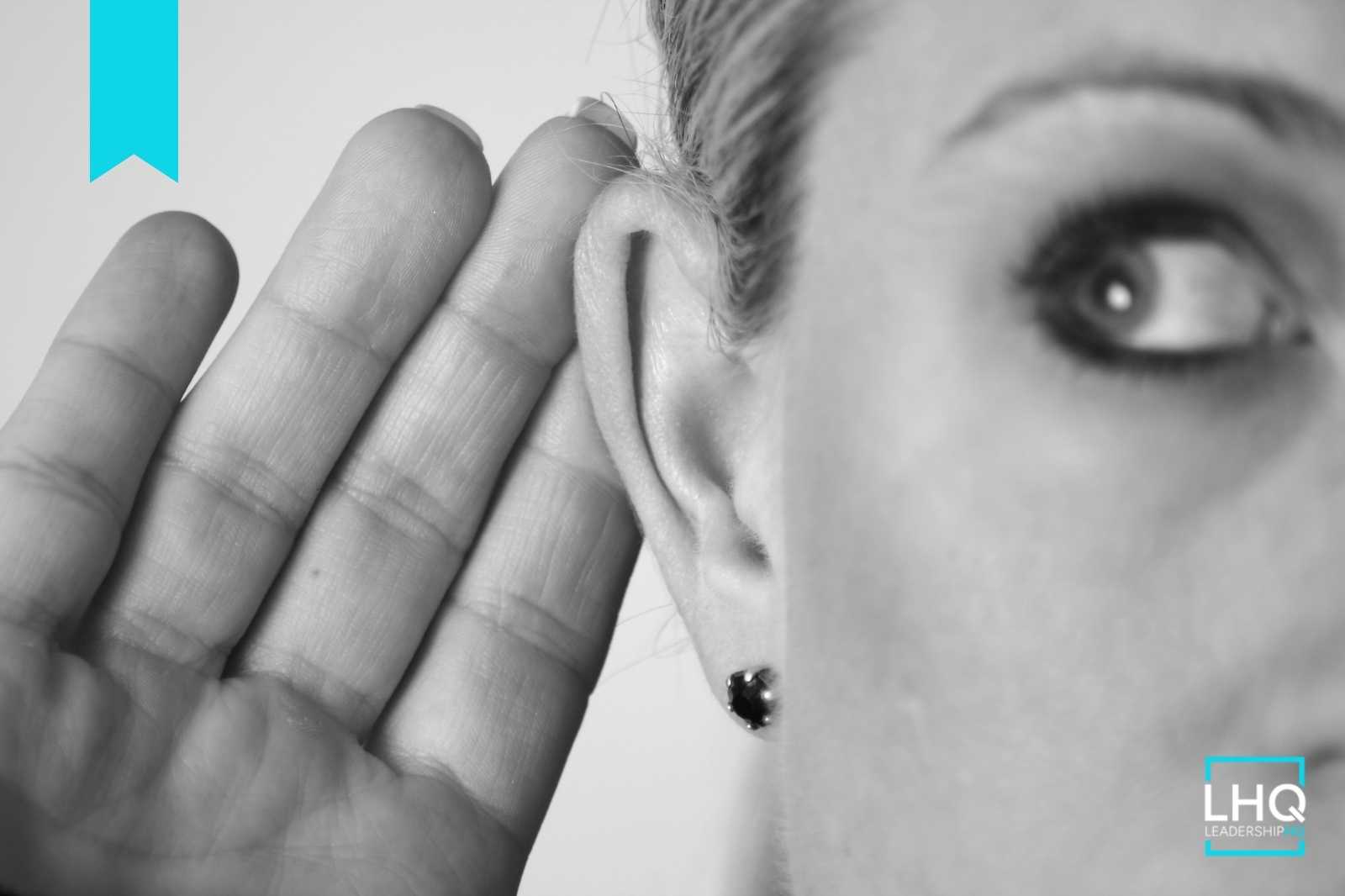
In a world obsessed with big voices and bold opinions, we often overlook one of the most powerful leadership skills of all — listening. Not the surface-level kind where we nod while mentally drafting our response, but the deeper kind where we pause, breathe, and truly hear what is being said, felt, and struggled with. At LeadershipHQ, we see every day that the strongest, most courageous leaders are not the ones who dominate the room. They are the ones who create space for others to speak, think, and grow.
Over decades of leading, coaching, and walking alongside thousands of leaders, one truth has become clear to me. Listening is not “nice to have”; it is leadership. It builds trust, shapes culture, and turns good teams into bold, high-performing ones. In this article, I’ll share how I learned this the hard way, why listening is a genuine superpower for leaders, and how you can start building listening muscles that change not just your team, but you.
The Moment I Realized Listening Was My Greatest Leadership Gap
There was a time when I believed leadership meant having all the answers. My calendar was full of meetings, my voice was everywhere, and I thought my job was to fix, direct, and motivate. Yet underneath the busyness, something felt off. The team was tense, timelines kept slipping, and people seemed hesitant to speak up unless they had to.
When A Simple Sentence Changed Everything
One day, in the middle of yet another “let me fix this” conversation, a team member — I’ll call her Sarah — quietly said, “We don’t need you to fix everything. We just need you to listen.”
Her words stopped me in my tracks. In that instant, I realized that in my effort to lead, I had forgotten to listen. I was jumping in with solutions, advice, and strategies, but I had not made space to really understand how my team was feeling or what they needed from me.
From that day forward, I made a conscious decision to do leadership differently. I started asking more questions. I paused before offering answers. I practiced being fully present in conversations — no multitasking, no rushing, no mental rehearsing. And something remarkable happened:
- People opened up about what was really going on
- Ideas started flowing more freely across the team
- Ownership, trust, and creativity began to rise
It felt like I was finally seeing the team I had always wanted — and it started with something as simple, and as hard, as listening.
Why Listening Is A Courageous Leadership Superpower
Listening is not passive. It’s not “just being nice.” It is one of the most powerful and courageous actions a leader can take. Leaders who listen send a clear, unspoken message: You matter. Your voice counts. I’m here with you, not above you.
What Happens When Leaders Truly Listen
Across our work at LeadershipHQ, whether through leadership coaching, leadership programs or team building and leadership workshops, we see the same patterns emerge again and again:
- When leaders listen, teams feel safe to speak up. Psychological safety grows, and people are more willing to share ideas, admit mistakes, and ask for help.
- When leaders listen, innovation increases. New solutions and creative thinking come from people who feel their voices will be heard, not dismissed.
- When leaders listen, loyalty deepens. People stay in organizations where they feel seen, valued, and respected — they stay because they want to, not because they have to.
Even five minutes of genuine, undistracted listening can shift a relationship or reset a team dynamic. It is often the turning point between disengagement and renewed commitment.
The Neuroscience Behind Feeling Heard
At LeadershipHQ, we love bringing neuroscience into leadership. Our brains are wired for connection and belonging. When someone listens to us with presence and curiosity, the brain registers it as safety. Stress hormones ease, and the parts of the brain responsible for problem-solving, creativity, and empathy become more active.
In other words, listening is not just “soft” leadership. It is smart, science-backed leadership. It is one of the fastest ways to unlock performance, innovation, and resilience in your people.
The Courage To Hear What Is Hard To Hear

Of course, listening is not always comfortable. Sometimes it means inviting feedback that stings or hearing truths that challenge how we see ourselves and our leadership. This is where courage comes in.
Leaning Into Difficult Conversations
Courageous leaders do not shut down tough conversations. They lean into them. Instead of saying, “That’s not true,” they say, “Tell me more.” Instead of defending their decisions immediately, they seek to understand the impact those decisions have had on others.
This blend of courage and compassion is the essence of human-centered leadership — the very heart of what we teach and live at LeadershipHQ. Empathy is not weakness. It is strength with a human heartbeat. Listening is the bridge that connects courage to empathy, enabling leaders to stand firm in their values while still staying open and responsive to others.
Turning Feedback Into Growth
When leaders see listening as a growth tool rather than a threat, everything changes. Feedback becomes less about blame and more about better. Teams feel more comfortable raising issues early, which prevents bigger problems down the track. And leaders become more self-aware, grounded, and effective.
If you want to deepen this skill, our leadership coaching and online programs provide safe, structured spaces to practice listening, receive feedback, and build the confidence to handle the hard conversations that matter most.
The Five Minute Listening Challenge
You don’t need a three-day retreat to start transforming how you listen. You can begin with something simple, powerful, and practical — a five-minute challenge.
Try This With Your Team Or Family
This week, choose one person — a team member, colleague, or someone in your personal life — and ask them:
“What’s one thing you wish I understood better about you or your work right now?”
Then, for five minutes:
- Don’t fix
- Don’t interrupt
- Don’t defend
Just listen. Be fully present. Notice their words, their tone, their body language. When they finish, thank them. You might ask, “Is there anything else you’d like me to know?” — and listen again.
What You Might Discover
Leaders who try this are often surprised by what they hear: hidden frustrations, brilliant ideas, quiet fears, or simple needs that were never expressed before. In those five minutes, you’re not just collecting information. You’re building a bridge of trust and showing the other person that they matter enough to have your full attention.
These small moments of connection add up. Over time, they become the foundation of stronger teams, deeper relationships, and a culture where people feel safe to bring their whole selves to work.
Listening As A Daily Leadership Practice
When I coach and speak with leaders now, I always return to this truth — when we listen, we lead from our humanity, not just our title. Strategies change, markets shift, and structures evolve, but people remember how you made them feel. They remember the meeting where they finally felt heard. They remember the leader who slowed down long enough to really care.
Embedding Listening Into Your Leadership Culture
If you want listening to become part of your leadership DNA, not just a one-off effort, consider:
- Building listening-focused modules into your leadership programs
- Using assessments and diagnostics to understand how your leaders are perceived
- Incorporating coaching and mentoring structures through LeadershipHQ services
- Creating regular forums or check-ins where people can safely share ideas, concerns, and feedback
At LeadershipHQ, we help organizations design cultures where listening is normalized and celebrated — where leaders are equipped to balance results with relationships and courage with care.
Conclusion
Leadership is not measured by how much you say, but by how deeply you hear. When you slow down long enough to truly listen — without fixing, defending, or rushing — you create spaces where people feel valued, respected, and safe. That is where trust is born. That is where better decisions, stronger teams, and bolder ideas come to life. Listening is not a soft add-on to leadership; it is the heartbeat of courageous, human-centered leadership.
If you are ready to build your listening muscles, you don’t have to do it alone. At LeadershipHQ, our leadership coaching, programs, and team workshops are designed to help you and your leaders say less, listen more, and lead stronger. Start with one conversation, one five-minute challenge, one decision to pause before you respond. Over time, those choices will transform not just your team, but the way you show up as a leader — with courage, empathy, and a listening heart.