Let me ask you something, and be honest.
|
| Have you ever watched someone toxic get promoted? |
| I already know the answer. Every time I ask this question — in keynotes, in boardrooms, on LinkedIn — it’s a wall of yes. So this week, I want to give you the why. Because it’s not bad luck, and it’s not just politics. It’s a bug in the human operating system — and once you see it, you can’t unsee it. |
| The trick |
| Nobody toxic ever got promoted sounding unsure. |
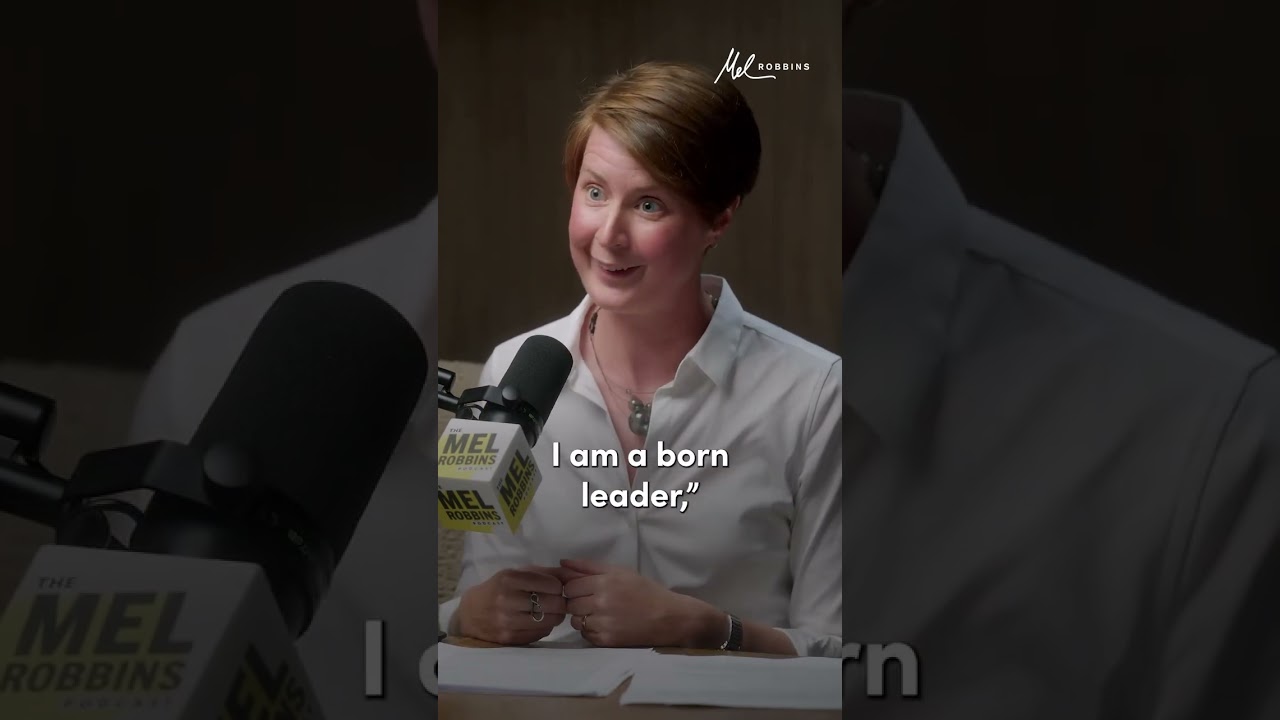
| That’s the whole mechanism. Mel Robbins’ episode with Dr. Leanne ten Brinke — a University of British Columbia professor who runs the Truth and Trust Lab and has spent twenty years studying deception and dark personality traits — nails it in one line: confidence is persuasive, and our brains mistake certainty for competence. |
| When someone speaks with total conviction, something ancient in us decides they must know. Certainty reads as ability. Swagger reads as skill. |
| People high in narcissism and psychopathy have found that bug and exploit it daily. Her research shows they present as confident, charming, even creative — brilliant in the interview, electric in the pitch. But measure whether they’re actually good managers, whether they follow through on what they promised? The answer is no. The confidence was the product. There was nothing behind it. |
| One finding from this field should keep every board awake at night: psychopathy shows up in senior management at roughly three times the rate of the general population. |
|
| We’re not accidentally letting these people through. We’ve built promotion systems that select for them. |
|
| Sonia McDonald |
|
|
|
|
| One of the reasons people with toxic tendencies end up in positions of power is surprisingly simple |
|
|
|
|
The cost
|
| Meanwhile, your best future leaders are saying “I’m not sure yet, let me check” — and getting passed over for it. |
| Think about what that trains everyone to do. The thoughtful people either start performing certainty they don’t feel (corroding your organisation’s grip on reality), or they conclude the game isn’t worth playing and leave. Often your best ones. And once “let me check” becomes career-limiting, nobody says it — which means problems surface late, risks go unflagged, and leadership hears about the iceberg when it hits the hull. |
| That’s the real cost. Not one bad hire. The systematic silencing of honesty, one promotion decision at a time. |
Five ways to fix your filters
|
| 1. Ask “how do they know that?” When someone makes a confident claim, separate the delivery from the evidence. Make “walk me through how you got there” a standard question in every interview and promotion panel. Confident performers hate that question. Genuine operators love it. |
| 2. Thank uncertainty out loud. When someone on your team says “I’m not sure yet, let me check” — thank them publicly. You’re repairing the incentive structure in real time, and everyone watching learns that honesty is safe here. |
| 3. Close the loop on confident predictions. Nobody follows up on forecasts — which is exactly why performed certainty works. Start remembering. When a bold prediction lands, note it; when it misses, revisit it kindly and professionally. People calibrate remarkably fast once accuracy starts being remembered. |
| 4. Collect the view from below. Dark-trait individuals manage up brilliantly and manage down brutally. So before any promotion, ask: what is it like to report to this person? What do junior people — the ones with nothing to gain — actually say? If someone is charming to you and cruel to the waiter, believe the waiter. |
| 5. If you’re the honest one being overlooked — don’t become them. The fix isn’t faking certainty better. It’s pairing honesty with visible structure: “I’m not sure yet — here’s exactly how I’ll find out, and here’s when you’ll have my answer.” That’s not hedging. That’s leadership with a timestamp. It gives decision-makers the safety they’re craving, without the fiction. |
The bottom line
|
| Confidence is a performance. Competence is a practice. Learn to tell them apart, and you change who rises — in your team, your organisation, maybe further. |
| Because after 35 years and three books in this territory, my conviction has only deepened: courage over charisma, character over confidence, evidence over ego. The world doesn’t need more powerful people. It needs more great humans in powerful positions. |
|
| Back the person who says “let me check.” |
|
| Warmly….Sonia |
|
|