The number that should worry every leader
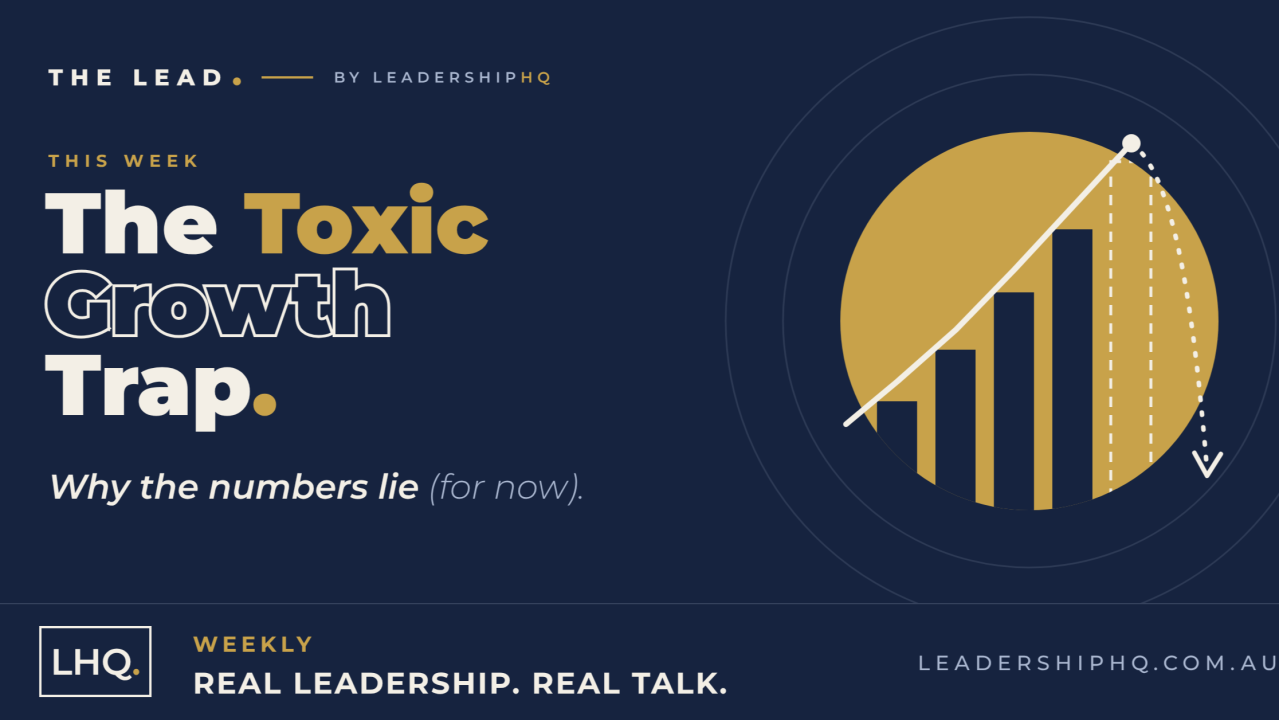
Here is a statistic that stopped me in my tracks this week. According to Businessolver’s 2026 State of Workplace Empathy study, 70% of executives who describe their own culture as toxic reported significant financial growth over the past year. In non-toxic organisations, that figure was just 36%.
Read that again. The leaders who openly admit their workplaces are toxic are reporting nearly double the growth of their more humane peers. Inc. magazine called it “The Empathy Paradox”. I call it a trap.
Because if you are a CEO, a board member or a manager under pressure to hit the numbers, it is very tempting to read that headline and think: maybe toxic works. Maybe pressure, fear and burnout are just the price of performance.
They are not. And the rest of the data tells us exactly why.
What the data really says
The study, run by Edelman Data & Intelligence, surveyed more than 300 C-suite executives and 1,000 employees across six industries. Look past the growth headline and a very different picture emerges.
• Toxicity is surging. 40% of employees now say their workplace is toxic, up 18 percentage points in a single year.
• Even CEOs see it. 33% of CEOs describe their own workplace as toxic, up 25 points on the year before.
• Intimidation is normal in toxic cultures. About a third of all executives and employees report intimidation from co-workers. Among executives in toxic organisations, it jumps to 73%.
• People are paying the price. Executives in toxic cultures were 2.6 times more likely to report layoffs and twice as likely to report cuts to employee benefits.
• Your best people are halfway out the door. 73% of people in toxic workplaces say they would take a lower-paying job with a more empathetic employer.
And this is not one study in isolation.
• iHire’s 2026 Toxic Workplace Trends Report found 68.9% of workers have experienced a toxic workplace, and 47.6% have quit a job because of one.
• Of those who witnessed toxic behaviour, 38.8% never reported it. Almost half of them didn’t believe HR or leadership would do anything.
• The Harris Poll’s 2026 Toxic Bosses Survey found 60% of US workers currently have a boss who shows toxic behaviours. 47% say it has increased their stress or contributed to burnout.
So yes, some toxic organisations are growing. But they are growing on borrowed time.

Why toxic looks like it works (and the bill that comes later)
Toxic cultures often deliver short-term results for a simple reason: fear is a powerful motivator, for a while. People work longer hours. They stay quiet. They hit the target because they are scared not to.
But fear is a loan, not an investment. And the interest compounds.
Businessolver itself warns against reading the growth figures as proof that toxicity pays. The data points to risks that simply take longer to show up on a balance sheet. Here is what that bill looks like.
1. Your good people leave first. Cornerstone OnDemand research, drawn from data on 63,000 hires, found that a single toxic employee makes their teammates 54% more likely to quit. Adding one toxic hire to a team of 20 costs around US$12,800, compared with about US$4,000 for a non-toxic hire.
2. Silence replaces truth. When nearly four in ten people won’t report bad behaviour, leaders lose their early-warning system. Risks, mistakes and misconduct stay hidden until they explode.
3. Burnout becomes the business model. Stressed, exhausted people cannot innovate. They survive. And survival mode is not a growth strategy.
4. Your reputation walks out the door with them. Every person who leaves a toxic workplace tells their story. In a tight talent market, that story becomes your employer brand.
5. Layoffs and benefit cuts erode trust for years. Growth built on cutting people is growth that has to be bought back later, at a premium.
Toxic growth is fast growth. Human growth is lasting growth. Only one of those survives the next downturn.

Why this matters to me
I have spent 35 years in and around workplaces. I started in HR at places like One&Only Hayman Island, Country Road and Coco Republic. I led HR across Asia for Korn Ferry Futurestep. And since 2008, through LeadershipHQ, I have worked with hundreds of leaders and teams.
I have seen both kinds of cultures up close. The ones where people dread Monday morning. And the ones where people do the best work of their lives because they feel safe, trusted and seen.
Here is what I know for sure: culture is not what you write on the wall. It is what you tolerate. Every time a leader lets a bully hit their numbers and keeps them, the whole team learns what really matters.
The two leaders who shaped me most were not soft. They had high standards. But they were human first. They told me the truth with care, backed me when it counted, and expected the best of me. That is the kind of leadership that builds performance that lasts.
Toxic leadership is not strong leadership. It is lazy leadership. It takes far more courage to lead with humanity and still deliver results.
8 things you can do this week to build a culture that lasts
1. Ask the question you’re afraid of. In your next team meeting or one-on-one, ask: “What’s one thing about how we work here that makes your job harder than it needs to be?” Then listen. Don’t defend. Say thank you.
2. Close the perception gap. Leaders almost always rate their culture higher than their people do. Run a quick anonymous pulse check. Three questions are enough: Do you feel safe to speak up? Do you trust your leader? Would you recommend working here?
3. Stop rewarding brilliant jerks. Look at who you promote, praise and protect. If someone hits their numbers but leaves a trail of damage, have the courageous conversation now. What you tolerate becomes your culture.
4. Make reporting safe, and act on it. Nearly four in ten people stay silent because they don’t believe anything will change. Show them it will. When someone raises an issue, follow up visibly and close the loop.
5. Measure how results are achieved, not just what. Add behaviours to your performance conversations. How someone treats people should matter as much as what they deliver.
6. Regulate before you lead. Toxic behaviour often starts with a stressed leader under pressure. Notice your own triggers. Pause before you react. Your team takes its emotional cue from you.
7. Give feedback little and often. Toxic cultures thrive in silence and in the annual review. Make honest, kind feedback part of every week, so small issues never grow into big ones.
8. Invest in your middle managers. They carry the culture every single day, and they are often the least supported people in the business. Give them the tools, coaching and confidence to lead well under pressure.

The choice in front of every leader
The Empathy Paradox is real, but it is temporary. Toxic cultures can borrow growth from their people for a year or two. Eventually the debt comes due: in turnover, burnout, silence, lost trust and lost talent.
The leaders who will win the next decade are not the ones who squeeze the hardest. They are the ones who build cultures where people want to stay, speak up and do their best work.
That starts with you. Not with a policy, a values poster or an engagement survey. With how you show up on Monday morning.
So here is my challenge: pick one of the eight tips above and do it this week. Then tell me how it went.
Ready to build a culture that lasts?
Work with LeadershipHQ. For more than 18 years, LeadershipHQ has helped organisations across Australia build human, high-performing leaders and teams. From leadership programs and team resets to culture workshops and courageous conversations, we turn the data into practical change. Visit leadershiphq.com.au to start the conversation.
Work with me. I work one-on-one with executives and leadership teams, and I speak at conferences and events on courage, regulation and human-first leadership. If your leaders need a wake-up call or a reset, let’s talk. Reach me at soniamcdonald.com or sonia@soniamcdonald.com.au.
Try Worksparks. Culture is built in everyday moments, not once a year. Worksparks is our AI-powered leadership coaching platform, built on LeadershipHQ’s proven frameworks. It gives everyone at work real-time coaching for the tough conversations, feedback and decisions that shape your culture, whenever they need it. Start your 14-day free trial at worksparks.com.
Real-time leadership. Real results.
Sources
• The Empathy Paradox: Why Toxic Managers Are Suddenly Winning the Growth Race, Inc.
• The bottom-line impact of surging toxic cultures, Recruiting News Network
• iHire 2026 Toxic Workplace Trends Report coverage, Human Resources Online
• Cornerstone report on toxic employees, Cornerstone OnDemand
• Toxic Bosses Survey 2026 coverage, Reason Why